

From boosting immunity to skin care, here are 10 powerful ways to incorporate Saudi Sidr honey into your daily wellness...
TENT | SAUDI SUPERFOODS Saudi Superfoods: 10 Products Changing Global Wellness Markets These foods have been part of Saudi life for over a thousand years. Science is catching up with what tradition always knew. |
By the Tent Wellness Team | Updated 2025 | 15 min read
The word superfood gets used a lot. Most of the time, it describes something discovered recently, packaged attractively, and imported from somewhere exotic. Acai berries. Goji berries. Spirulina. You know the pattern.
What rarely gets discussed is that some of the most nutrient-dense, research-backed foods in the world have been growing in Saudi Arabia for centuries, eaten daily by millions of people long before functional food became a trend. They were not discovered recently. They were not marketed. They did not need to be. People just kept eating them because they worked.
This article covers ten of them.
| A note on scope: these ten foods either originate in Saudi Arabia, are produced there at significant scale, or carry deep roots in Arabian and Islamic food tradition. All health information in this article is based on published peer-reviewed research. |
1 of 10 | Ajwa DatesThe most researched date variety in the world. It grows only in Madinah. |
Ajwa dates are the jewel of Saudi food heritage. They grow exclusively in Al-Madinah Al-Munawwarah in Saudi Arabia. That geographic exclusivity is not marketing. Attempts to cultivate Ajwa palms outside Madinah consistently produce fruit with a different nutritional profile. The specific soil, altitude, and climate of that region appear to produce something no other environment can replicate.
The Prophet Muhammad (PBUH) specifically recommended Ajwa dates as protective and healing. Over a thousand years later, more than 150 peer-reviewed scientific studies confirm many of those observations.
How to eat them: 3 to 7 Ajwa dates per day is the recommended range for general wellness. Traditional practice recommends seven on an empty stomach in the morning. They pair exceptionally well with Saudi Sidr honey. |
[ Internal link: Buy Ajwa dates from Madinah to tent.com.sa/products/ajwa-dates ]
2 of 10 | Saudi Sidr HoneyAntibacterial strength confirmed in clinical labs. One of the most potent raw honeys available. |
Not all honey is the same. The gap between supermarket honey and properly harvested raw Saudi Sidr honey is enormous in both nutritional content and health activity. Sidr honey comes from bees that feed exclusively on the flowers of the Sidr tree (Ziziphus spina-christi). The result is a monofloral honey with a distinctive flavour, rich and floral with hints of caramel, and a medicinal profile backed by real research.
Sidr honey has strong antibacterial properties and has been shown to fight tough bacteria like MRSA
It helps support and balance the immune system rather than just boosting it
Sidr honey can reduce inflammation, fever, and pain naturally
When applied to the skin, it helps wounds heal faster and prevents infection
| How to use it: One teaspoon in warm (not hot) water every morning. In ginger tea when you feel a cold coming. As a weekly face mask. On minor cuts and burns. As a sweetener in cooking. |
[ Internal link: 10 Ways to Use Saudi Sidr Honey in Your Daily Routine to tent.com.sa/blog/sidr-honey-uses ]
[ Internal link: Buy Saudi Sidr Honey to tent.com.sa/products/honey ]
3 of 10 | Black Seed (Habbatus Sauda)51 active clinical trials in 2024. A 3,000-year track record confirmed by modern science. |
Black seed is the common name for Nigella sativa, a small flowering plant native to Southwest Asia and the Mediterranean. In Arabic, it is called Habba Al-Sauda or Habbatus Sauda, meaning the blessed seed. In Urdu, Kalonji. The Prophet Muhammad (PBUH) is reported to have said in an authenticated Hadith (Sahih Bukhari 5687) that there is healing in kalonji (Black seed) for all diseases except death.
Black seed helps support and balance the immune system and may improve how treatments work
It can reduce inflammation and oxidative stress when taken regularly
Taking black seed daily can help improve blood sugar and cholesterol levels
It supports respiratory health by easing symptoms like coughing and wheezing
Black seed oil helps improve skin conditions like acne, eczema, and psoriasis
It also has antimicrobial properties and can fight harmful bacteria
| Recommended daily dosage (research-backed): 1 to 3 grams of black seed oil or ground powder daily is the research-backed range. For blood sugar support, 2 grams appears to be the effective amount in published trials. Oil or powder form works better than water extracts. |
4 of 10 | TalbinaA 1,400-year-old barley porridge. Modern nutrition is only just catching up with what it confirmed long ago. |
If there is one Saudi superfood on this list that most people in Western wellness markets have never encountered, it is Talbina. The nutritional case for talbina is as strong as anything sold in a premium health food store, and the cultural story behind it is genuinely moving.
Talbina is a warm porridge made from ground barley cooked in water or milk, traditionally sweetened with honey and topped with dates. Its name comes from the Arabic word laban, meaning milk, referencing its smooth, creamy texture. It has been documented as a healing food since the time of the Prophet Muhammad (PBUH), who specifically recommended it for the sick, the grieving, and anyone carrying emotional weight.
Talbina supports heart health by helping lower bad cholesterol naturally
It helps improve mood and reduce anxiety by calming the nervous system
It helps keep blood sugar stable by slowing down sugar absorption
It supports digestion, improves gut health, and helps relieve constipation
Talbina provides steady energy with important nutrients without causing sugar spikes
It is gentle on the stomach and helpful for recovery, especially for the sick and elderly
Classic Talbina Recipe (Authentic Prophetic Method) Ingredients: 2 tablespoons ground barley flour (or finely ground whole barley) 250ml full-fat milk or water for dairy-free 1 teaspoon raw Sidr honey (added after cooking, never during) Toppings: 3 to 4 chopped Ajwa or Medjool dates, crushed walnuts, pinch of cinnamon or cardamom
Method: Step 1: Add barley flour to a small pot over medium heat. Toast for 2 to 3 minutes, stirring constantly, until it turns slightly golden and gives off a nutty aroma. This step is important for flavour. Step 2: Add milk or water directly to the toasted flour. Whisk immediately to prevent lumps. Step 3: Cook on medium heat, whisking continuously, until the porridge thickens. This takes 3 to 5 minutes. Step 4: Remove from heat. Allow to cool to warm, not hot. Step 5: Stir in raw honey only after removing from heat. Never add honey to boiling or very hot liquid, as heat reduces its beneficial properties. Step 6: Pour into a bowl. Top with chopped dates, crushed walnuts, and a pinch of cinnamon.
When to eat: Morning for energy and mood. Before bed for calming and sleep support. During illness or emotional difficulty, as traditionally recommended. Important: Do not add refined sugar. Honey and dates provide natural sweetness with far superior nutritional profiles. |
5 of 10 | Qahwa (Saudi Arabic Coffee)A UNESCO heritage drink with genuine antioxidant credentials and digestive benefits. |
Qahwa is Saudi Arabia's most celebrated food item. In 2015, UNESCO inscribed Arabic coffee on the Representative List of Intangible Cultural Heritage. It is the first thing offered to a guest in every Saudi home. But Qahwa is not just cultural. Its health credentials are genuinely strong.
Qahwa is made from lightly roasted green coffee beans, which retain far higher levels of chlorogenic acid, the key antioxidant compound that most modern coffee health research focuses on. The added spices contribute substantially to its health profile.
Lightly roasted coffee contains chlorogenic acid, which helps with blood pressure, blood sugar, and inflammation
Cardamom has natural compounds that support digestion, reduce inflammation, and make coffee easier on the stomach
Saffron may help improve mood, support mental health, and boost brain function
Cloves are rich in antioxidants and help fight bacteria while reducing inflammation
Why Qahwa beats regular coffee for wellness: Because it uses lightly roasted beans, Qahwa retains more chlorogenic acid than dark-roasted espresso. The cardamom addition makes it more digestive-friendly. It is lower in caffeine, making it less likely to cause the jitteriness and sleep disruption associated with strong coffee.
[ Internal link: What Is Qahwa? The Complete Guide to Saudi Arabic Coffee to tent.com.sa/blog/what-is-qahwa ]
[ Internal link: Buy authentic Saudi Qahwa blend to tent.com.sa/products/coffee ]
6 of 10 | Sukkari DatesThe everyday Saudi date. Better than refined sugar in every measurable way. |
Ajwa gets most of the attention, but Sukkari deserves a place in this list. Where Ajwa is firm and dry, Sukkari is soft, moist, and meltingly sweet, with a caramel-honey flavour that makes it exceptional as a natural sweetener. The name literally means sugar in Arabic, though the date itself is far better for you than refined sugar in every measurable way.
| Best use: Replace refined sugar in smoothies, baking, and cooking with Sukkari date paste. The flavour upgrade is significant. The nutritional upgrade is even more so. |
7 of 10 | Camel MilkOne of the most nutritionally distinct milks on earth. Fast-growing global demand. |
Camel milk has been consumed across the Arabian Peninsula for thousands of years. In Saudi Arabia it is part of deep cultural tradition tied to Bedouin life. Today it is one of the fastest-growing specialty dairy products in Western health food markets, and the reasons are genuinely nutritional.
Saudi Arabia is one of the world's largest camel milk producing countries. Noug Camel Milk is among the branded Saudi camel milk products bringing this category to a broader market.
Camel milk has less saturated fat than cow’s milk while still providing similar protein and calcium
It does not contain A1 beta-casein, making it easier to digest for many people
It has insulin-like proteins that may help support blood sugar control
It contains unique immunoglobulins that help strengthen the immune system
Camel milk has much higher vitamin C compared to regular milk
It is also a good source of iron and B vitamins, supporting overall health
| Who it helps most: People who find regular dairy hard on their digestion, those managing blood sugar, and anyone looking for a dairy option with a genuinely distinct nutritional profile. |
8 of 10 | Taif PomegranateArabia's ruby fruit, with antioxidant activity stronger than red wine and green tea. |
Taif is a city in the Hejaz Mountains of Saudi Arabia, famous for roses and pomegranates. The Taif pomegranate, grown at specific mountain altitude, has a deep ruby colour, sweet-tart flavour, and unusually high concentration of beneficial plant compounds.
Pomegranates are rich in powerful antioxidants called punicalagins, even stronger than those in green tea and red wine
They support heart health by helping lower blood pressure and reduce bad cholesterol buildup
Pomegranates help reduce inflammation and may support joint health
Drinking pomegranate juice can help improve memory and brain function
They also have natural antibacterial properties that support overall and oral health
| How to eat it: Scatter the seeds over salads, yogurt, or Talbina. Drink fresh-pressed juice. Use pomegranate molasses in cooking. Eat the seeds whole, that is where the beneficial compounds concentrate. |
9 of 10 | Saudi SumacThe tangy mountain spice with antioxidant levels that rival blueberries, consumed as a seasoning. |
Sumac is a deep burgundy spice ground from the dried berries of the Rhus coriaria plant, which grows wild in the mountains of Saudi Arabia. In Saudi cooking it ends up on everything: salads, grilled meat, rice, hummus. If you have eaten at a Middle Eastern restaurant and noticed a tangy red powder on the table, that was sumac.
Sumac has an antioxidant content that puts many globally celebrated superfoods to shame. In independent testing, sumac ranks among the highest antioxidant-containing culinary ingredients commercially available. But because you consume sumac in concentrated teaspoon amounts rather than handfuls, the practical daily delivery of antioxidants can be substantial.
Sumac has natural compounds like gallic acid and anthocyanins that help protect the body from damage caused by free radicals.
It may also help reduce inflammation and has been traditionally used to ease pain and fever.
Some studies suggest it can help lower blood sugar levels and improve long-term control in people with type 2 diabetes.
It also shows antibacterial effects and has been used in the past to help preserve food.
Its antioxidants may support heart health by helping prevent damage to “bad” cholesterol in the body.
| How to use it: Sprinkle over salads, grilled meats, hummus, or roasted vegetables. One to two teaspoons a day in your food is enough to benefit from its antioxidant content without any supplements needed. |
10 of 10 | Saudi MoringaThe most nutrient-dense plant in the world, grown in Saudi conditions. |
Moringa (Moringa oleifera) is often called the most nutrient-dense plant ever measured. That is not an exaggeration. Gram for gram, moringa leaves contain more vitamin C than oranges, more calcium than milk, more potassium than bananas, more iron than spinach, and more protein than eggs. The leaves contain all nine essential amino acids, making it one of very few plant proteins considered complete.
Moringa grows well in arid and semi-arid conditions, which makes Saudi Arabia a natural producer. It is cultivated in parts of the Kingdom and is increasingly present in Saudi food and wellness markets. It also has deep roots in Islamic and Arabic traditional medicine as a plant with broad healing applications.
Moringa is rich in many vitamins like A, C, E, K, and several B vitamins, plus important minerals such as calcium, iron, potassium, magnesium, and zinc, and it also has all essential amino acids.
It contains powerful antioxidants like quercetin, chlorogenic acid, and beta-carotene that help protect the body from damage.
Some studies show moringa leaf powder can help lower fasting blood sugar and improve insulin response.
It has natural compounds that may help reduce inflammation in the body.
Moringa may support brain health by protecting brain cells and improving memory in animal studies.
It may also help protect the liver from damage caused by toxins according to research.
| Moringa powder is the most practical daily form. One to two teaspoons per day in a smoothie, juice, or stirred into yogurt delivers the bulk of its documented health benefits in under ten seconds. |
Superfood | Key Compound | Best Benefit | Easy Daily Use |
| Ajwa Dates | Quercetin, ferulic acid | Heart + antioxidants | 7 dates every morning |
| Sidr Honey | Enzymes, flavonoids | Antibacterial + immunity | 1 tsp in warm water |
| Black Seed | Thymoquinone | Immunity + inflammation | 1 to 3g oil or powder |
| Talbina | Beta-glucan, B vitamins | Gut health + mood | Bowl for breakfast |
| Qahwa | Chlorogenic acid | Antioxidants + digestion | Small cup each morning |
| Sukkari Dates | Prebiotic fibre | Sustained energy | Daily snack or sweetener |
| Camel Milk | Immunoglobulins, Vit C | Immunity + digestion | 1 glass daily |
| Taif Pomegranate | Punicalagins | Heart + brain | Seeds on food or fresh juice |
| Saudi Sumac | Gallic acid, anthocyanins | Antioxidants + blood sugar | 1 to 2 tsp on meals |
| Saudi Moringa | Complete protein, Vit C | Full-spectrum nutrition | 1 tsp powder in smoothie |
You do not need to incorporate all ten at once. Start with three and build from there.
7 Ajwa dates or 3 to 5 Sukkari dates
1 teaspoon of Sidr honey in warm water or a cup of Qahwa
Half a teaspoon of black seed oil or ground powder
A bowl of Talbina topped with chopped Ajwa dates and raw honey
Or moringa powder stirred into yogurt or a smoothie
Sumac scattered over your lunch salad or grilled food
Pomegranate seeds added to a midday snack
Camel milk as an alternative to regular dairy in tea or coffee
This routine costs very little time, requires no special equipment, and delivers a genuine daily dose of antioxidants, anti-inflammatory compounds, prebiotic fibre, complete protein, and micronutrients that most modern diets fall short on.
Source authentic Saudi superfoods through Tent Ajwa dates, Sidr honey, black seed, Talbina, Qahwa, and more. Directly from Saudi farms. Full origin documentation. Browse Saudi Superfoods | tent.com.sa/products |
(Apply FAQPage schema to all entries below for featured snippet eligibility)
Within the Kingdom, Kabsa (slow-cooked spiced rice and meat) is considered the national dish. Dates are Saudi Arabia's most famous fruit globally, with Ajwa dates from Madinah being the most celebrated variety. For health and wellness purposes, Ajwa dates, Saudi Sidr honey, and black seed are the three Saudi foods with the broadest international recognition and the strongest research backing.
The five Saudi superfoods with the strongest scientific research are: Ajwa dates (over 150 published studies), black seed or Habbatus Sauda, Saudi Sidr honey, Talbina barley porridge and Taif pomegranate.
Talbina is a warm porridge made from ground barley cooked in water or milk, sweetened with honey and topped with dates. It is a Prophetic food recommended by the Prophet Muhammad (PBUH) for the sick and grieving, referenced in Sahih Bukhari 5689. To make it: toast 2 tablespoons of ground barley flour in a pot, add 250ml of warm milk or water, whisk on medium heat for 3 to 5 minutes until thickened, remove from heat, add raw honey after cooking (never during), and top with chopped Ajwa dates, crushed walnuts, and cinnamon.
Black seed (Nigella sativa) has documented benefits for immunity, inflammation, blood sugar management, respiratory health, skin conditions, and antimicrobial activity. The active compound is thymoquinone, which gives it antioxidant, anti-inflammatory, and immune-regulating properties. As of 2024, 51 clinical trials were registered on ClinicalTrials.gov. Research-backed daily dosage is 1 to 3 grams of oil or ground powder taken orally, with 2 grams appearing effective for blood sugar support in type 2 diabetes.
Yes. Ajwa dates qualify as a superfood by every meaningful definition. They grow exclusively in Madinah, Saudi Arabia, contain over a dozen specific antioxidant compounds, have a low glycemic index of 42 to 50, show heart health benefits in human clinical trials, and have been the subject of more than 150 peer-reviewed studies. No other date variety has this depth of scientific documentation.
Both are monofloral raw honeys with strong antibacterial properties. Manuka comes from New Zealand bees feeding on Manuka trees. Saudi Sidr comes from bees feeding on Sidr trees in Saudi Arabia. Comparative studies have found Saudi Sidr honey has comparable or stronger antibacterial activity against certain bacteria including MRSA. Manuka has a more established Western marketing infrastructure. Saudi Sidr honey has deeper cultural and religious heritage and an equally strong scientific case for antibacterial and immunomodulatory activity.
Talbina's health benefits come primarily from barley's beta-glucan content, which reduces LDL cholesterol (confirmed by the British Medical Journal and American Journal of Clinical Nutrition), supports gut microbiome health, and slows blood sugar absorption. Its complex carbohydrates increase serotonin production and its magnesium and B vitamins support the nervous system, providing a nutritional basis for the Prophetic recommendation for sadness and grief. It is also rich in selenium, iron, copper, and chromium.
Yes. Ajwa dates, Sidr honey, black seed oil, Qahwa coffee, and Saudi spices including sumac are all available through specialised Middle Eastern food suppliers and online retailers in the UK. Tent (tent.com.sa), Madina Land's B2B ecommerce platform, supplies wholesale quantities of all major Saudi superfoods with full origin documentation for distributors, retailers, and food service buyers.
Yes. Camel milk has a distinct nutritional profile compared to cow's milk. It contains three to five times more vitamin C, naturally lacks beta-casein A1 protein that causes digestive issues in sensitive individuals, contains immunoglobulins that support immune function, and has been studied for potential insulin-reducing effects in type 1 diabetes. It is lower in saturated fat than cow's milk and higher in iron. The research is still emerging compared to more studied superfoods, but the existing evidence is genuinely strong.
Completely. These are whole foods with nutritional profiles and documented health benefits that apply regardless of religious background. The Islamic and Prophetic context adds cultural richness and centuries of traditional use documentation, but the health properties work through the same biological mechanisms for everyone. Ajwa dates reduce inflammation, Talbina supports gut health, and black seed reduces blood sugar levels in people from every background.
مشاركة:
From boosting immunity to skin care, here are 10 powerful ways to incorporate Saudi Sidr honey into your daily wellness...
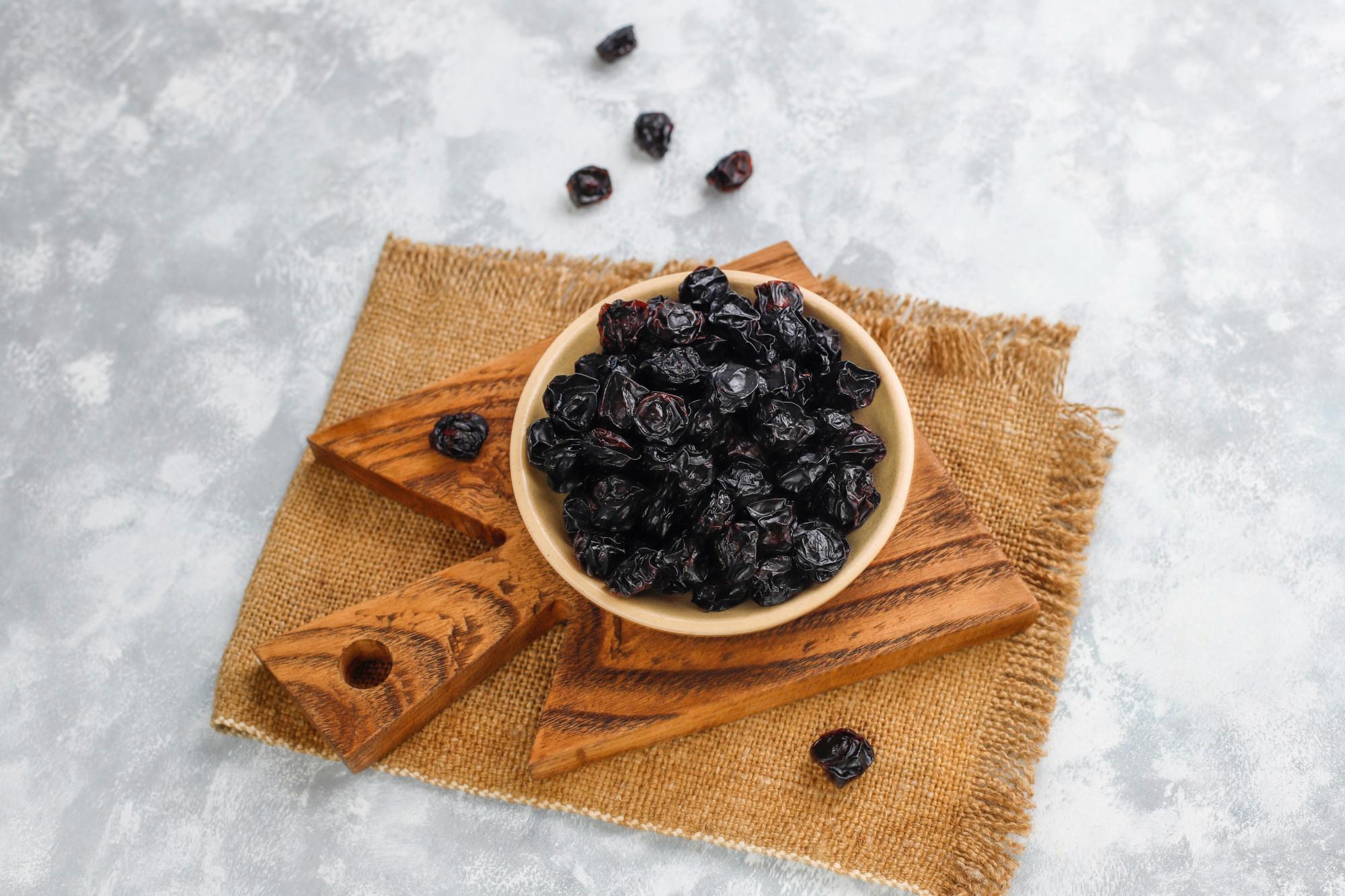
Discover the powerful health benefits of Saudi Ajwa dates, from heart protection to immunity. Learn why Ajwa dates are n...

تعرّف على طريقة تحضير القهوة العربية السعودية الأصيلة، القهوة العطرية المميزة بالهيل والزعفران والتي تحمل تاريخاً عريقاً...